When the News Hits Close to Home: Supporting Veterans and Military Families on Your Crew
As U.S. military engagement in the Middle East continues, construction leaders need to know what stress and trauma responses can look like in workers with military ties, and what to do about it.
Construction has one of the highest concentrations of veterans of any civilian industry. Estimates suggest veterans make up somewhere between 9 and 12 percent of the construction workforce, and that number doesn't capture the full picture. It doesn't count the workers who have a spouse, sibling, or child currently deployed. It doesn't count the reservists on your crew who may be watching their phones for a call that changes everything.
With U.S. forces actively engaged in a military conflict in the Middle East and the possibility of expanded operations ongoing, this is a moment that warrants attention from construction leaders. Not because your workers will tell you they're struggling. Most won't. But because the signs will be there, if you know what to look for.
A Note Before We Go Further
Opinions on the current military engagement in the Middle East are divided. Deeply. Your crew almost certainly reflects that divide, and this post is not here to weigh in on it.
What it does take a position on is this: regardless of where you stand on the military action, the people on your crew who have a family member in a combat zone, who carry their own service in their body, or who are managing fear and uncertainty about what comes next deserve a leader who notices. That is not a political act. It is a human one.
Supporting a worker through a hard time has never required agreeing with the circumstances that created it.
Proximity to military service doesn't require having served yourself. It means having someone you love in harm's way, and trying to function normally while you wait.
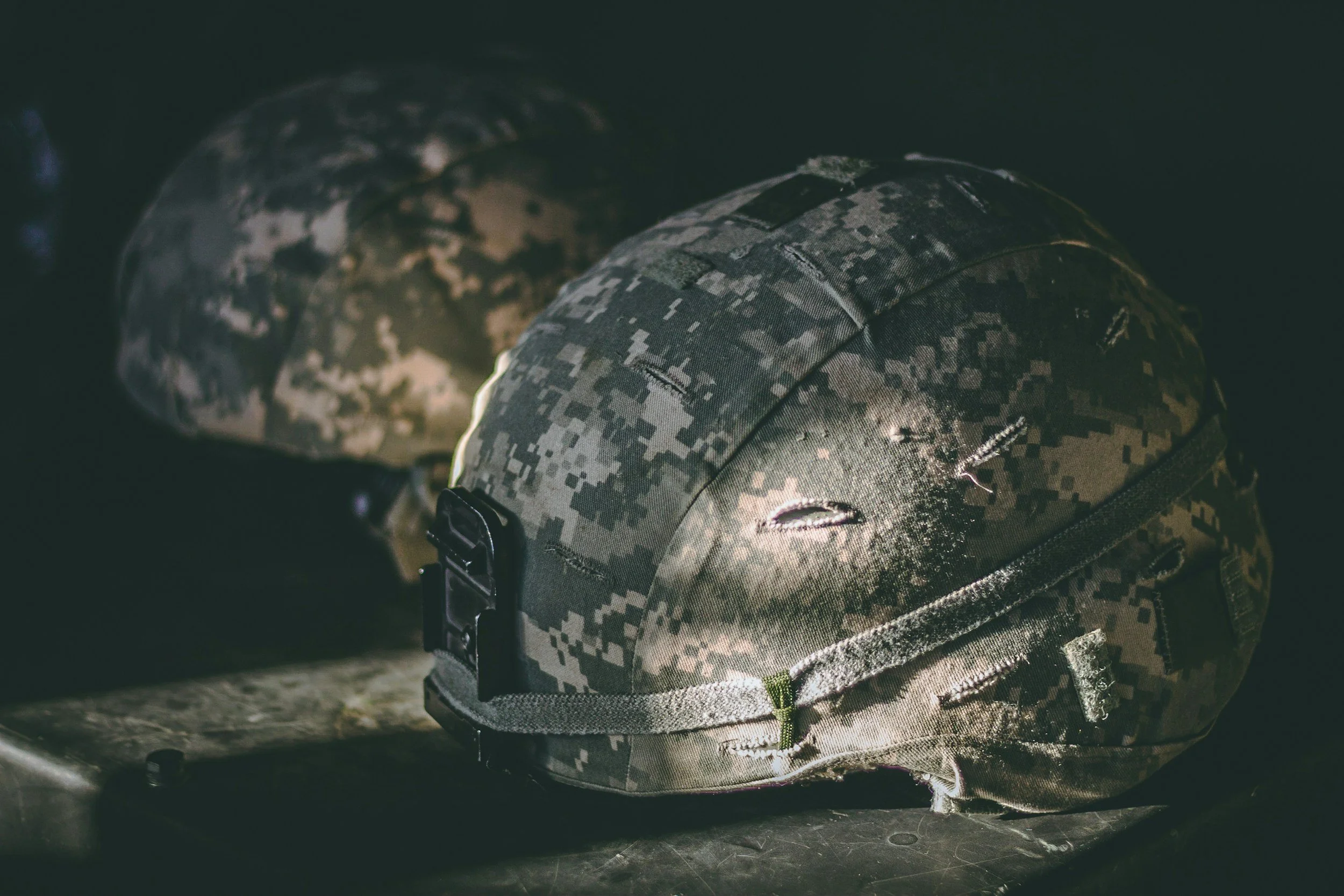
Who This Affects
When we talk about military-connected workers, we're talking about a broader group than most supervisors realize:
Veterans with prior combat experience, particularly those who served in the Middle East, who may experience reactivation of trauma responses as current events unfold
Active duty reservists and National Guard members who may be anticipating deployment orders or recently received them
Military spouses and family members managing fear, uncertainty, and the invisible weight of a loved one in a combat zone
Workers with no direct military connection who are nonetheless experiencing elevated anxiety about the conflict and its potential escalation
None of these groups are likely to walk into your office and say they're not okay. Construction culture doesn't reward that kind of disclosure. What they'll do instead is show up, and show up differently.
What Stress and Trauma Responses Look Like on a Jobsite
Trauma-informed practice is built on a foundational understanding: behaviors that look like attitude problems are often stress responses. This is especially important when working with veteran and military-connected employees in a high-stakes news cycle.
Here's what you may observe:
Hypervigilance and irritability. A worker who seems on edge, easily startled, or quick to escalate minor conflicts may be operating in a nervous system state of high alert. This is physiological, not a character flaw.
Withdrawal and disengagement. The person who stops contributing in toolbox talks, eats alone, or avoids eye contact is not being difficult. They may be managing overwhelming internal noise.
Distraction and error. Cognitive bandwidth is finite. A worker whose mind is tracking news alerts, worrying about a deployed spouse, or processing old trauma activated by current events has less of it available for the task in front of them. This is a safety issue.
Increased substance use. Changes in behavior, slower reaction times, or off-hand comments about not sleeping or drinking more can be indicators worth noting.
Emotional numbing or flatness. A worker who seems checked out or like a different version of themselves may be using emotional suppression to cope. In construction culture, this can look like professionalism. It isn't always.
A behavior that looks like a performance problem is often a stress response wearing a hard hat.
What Leaders Can Actually Do
You don't need to be a therapist to support a military-connected worker. You need to be a human being who is paying attention and willing to say something.
Check in directly, without an agenda.
"I know there's a lot going on in the news right now. How are you holding up?" is not overstepping. It's leadership. You don't need to reference their military background specifically. You just need to open a door. Most people will not walk through it the first time. That's okay. The opening matters.
Know what resources exist and make them easy to access.
Your EAP covers mental health support. If your company has peer support trained workers, now is the time to activate them. The Veterans Crisis Line (988, then press 1) is available around the clock and serves veterans, active duty members, and their families. Make sure your crew knows these resources exist without having to ask for them.
Adjust expectations without lowering safety standards.
A worker who is clearly distracted, sleep-deprived, or emotionally dysregulated should not be placed in a high-risk task without a check-in first. That's not accommodating weakness. That's risk management. A conversation before a task is far less costly than an incident after one.
Don't require disclosure to offer support.
Not every veteran will identify themselves. Not every military spouse will tell you their partner is deployed. You can create a supportive environment without requiring anyone to explain why they need it. Normalize check-ins, normalize talking about stress, and normalize the idea that what's happening in the world affects the people doing the work.
Watch for secondary trauma in your team.
If you have workers closely supporting a colleague going through a difficult time, or who are consuming a high volume of conflict-related news, they can experience secondary stress responses. Compassion fatigue doesn't only happen in healthcare. It happens anywhere people carry weight for one another, including on jobsites with strong crew bonds.
The Bigger Picture
Construction has made real progress on suicide prevention and mental health awareness in recent years. The work is ongoing, and it requires leaders who understand that the world outside the fence line affects the people inside it.
Military-connected workers are some of the most resilient, mission-focused people in your workforce. They are also carrying things that most of their coworkers will never fully understand. Resilience is not the absence of struggle. It's the capacity to move through it, and that capacity is stronger when the people around you are paying attention.
You don't have to have the right words. You just have to show up.
Resources for Military-Connected Workers
Veterans Crisis Line: Call 988, then press 1 | Text 838255
Military OneSource: militaryonesource.mil | 1-800-342-9647
National Military Family Association: militaryfamily.org
The Center for Construction Mental Health (CCMH) provides research, training, and resources to support mental health and psychological safety across the construction industry.